
The Science Behind Hydroseeding: How Professionals Customize Seed, Mulch, and Fertilizer Blends for Different Soil Types
Hydroseeding is more than spraying seed on the ground. It is a calibrated process in which lawn care professionals build a custom slurry of seed, mulch, fertilizer, and soil conditioners tailored to your soil, slope, sun exposure, and climate. Done right, hydroseeding delivers fast, even germination with strong roots that hold. The goal is a lawn that establishes quickly and stays healthy through stress.
Why Hydroseeding Is a Precision Lawn Care Method
Every property has a unique combination of soil texture, organic matter, compaction, and drainage. A one-size-fits-all mix can struggle because fine seed dries too quickly on sandy ground or suffocates in heavy clay. Professionals begin with a site assessment that looks at soil structure, pH, slope grade, shade patterns, irrigation coverage, and recent weather. From there, the hydroseeding recipe is tuned so the seed stays moist long enough to sprout, roots can breathe, and the surface resists erosion during storms.
Think of it like building the perfect home for a seed. The mulch is the roof that keeps moisture in, the tackifier is the glue that holds it on the soil, the fertilizer is the pantry of nutrients, and the seed blend is chosen for your sunlight, foot traffic, and regional climate.
How Soil Type Shapes the Mix
Soil texture is the backbone of any hydroseeding plan. Sandy soil drains fast and dries quickly. Clay holds water but compacts easily and can stay cold in spring. Loam is in the middle, usually the easiest for turf. Each soil calls for a different balance of mulch, tackifier, fertilizer, and seed variety.
- Sandy soils: Heavier wood fiber mulch for moisture retention, moisture-holding tackifier, and starter fertilizer balanced to support rooting without leaching.
- Clay soils: Lighter mulch rate to prevent waterlogging, soil conditioners that open pore space, and seed blends with strong early root systems.
- Loam soils: Standard mulch rates with a balanced starter, plus species tuned to sun and use patterns.
Soil chemistry matters too. If pH slides toward the acidic side, lime is often recommended before hydroseeding to improve nutrient uptake. If pH runs high, elemental sulfur or organic amendments may be considered during site prep. Compacted subsoil from construction can limit roots even with the perfect slurry. Professionals evaluate whether aeration or compost topdressing is needed before application so the hydroseed can take hold.
Slope Grade, Erosion Risk, and Tackifiers
Slopes and storm patterns decide how firmly the slurry must lock to the ground. On flat lawns with normal rainfall, a standard wood fiber mulch with a light tackifier often performs well. As slopes increase or heavy rain is common, the plan shifts to higher mulch rates and stronger binders. Bonded fiber matrix and flexible growth medium products are designed to resist washouts and keep seed in place until it roots.
Professionals measure slope grade and watch where water concentrates. Channels at the base of a driveway, swales along property lines, or spillways near downspouts need special attention. They may use stronger tackifier concentrations in those zones and slightly different mulch types on the steepest sections. This precision prevents rills and bare streaks that can show up after the first big storm.
Sun Exposure and Seed Selection
Sunlight drives variety choice. Full-sun areas often perform best with blends that include turf-type tall fescue, Kentucky bluegrass, or perennial rye in cooler regions, and Bermudagrass or zoysia in warmer regions. Shade changes everything. Fine fescues handle dappled light well, and some newer cultivars are bred for deep shade tolerance. Pros also plan for transitions where a lawn shifts from morning shade to afternoon sun. A thoughtful blend evens out color and density across those edges so you do not see patchy growth later.
Foot traffic and maintenance preferences matter too. If you want a lower-mow, lower-input lawn, that choice affects the cultivar mix. If you expect kids and pets to run the yard, selections lean toward tougher, quick-repairing species. The seed rate in the slurry is also tuned. More is not always better, as overcrowding can lead to weak seedlings and increased disease pressure.
Climate Timing and Moisture Management
Timing can be as important as the recipe. In many regions, early fall and late spring offer the best soil temperatures and natural moisture. Heat waves, late freezes, and unpredictable storms require flexible planning. Pros look at recent weather patterns, soil temperature trends, and irrigation capacity before booking application dates. The mulch type and rate are matched to expected evaporation, with additional moisture-holding polymers used when appropriate.
- Cool-season regions: Target stable soil temps and moderate rain windows so seedlings establish before summer heat or winter freezes.
- Warm-season regions: Align with green-up and sustained warmth so stolons and rhizomes develop quickly after germination.
Water management is a partnership between you and your lawn care team. The mulch blanket retains moisture, but irrigation still needs to be consistent and gentle. Overwatering can cause runoff on slopes while underwatering slows germination. Your technician will provide a watering plan that fits your soil and slope so the slurry stays put and seedlings are never stressed.
Local insight: After heavy rain, scan for small rills or silt fans at the bottom of slopes. Early touch-ups prevent thin spots later and protect your investment.
When temperatures swing, pros may adjust the mulch rate or tackifier strength on the fly to maintain consistent moisture and resist washouts.
Additives That Fine-Tune Performance
The right additives make the difference between good and great results. Tackifiers are the obvious example, but there are other tools in the box. Moisture-management polymers help hold water near the seed. Mycorrhizal inoculants and beneficial biology support early root growth and nutrient access. Humic substances and seaweed extracts can improve seedling vigor in challenging soils. Professionals add only what the site truly needs, so the slurry stays balanced and cost-effective.
Starter fertilizer is chosen carefully. High nitrogen levels can push leaf growth before roots are ready, leading to weak turf later. Many pros select lower nitrogen, phosphorus-supported starters to emphasize rooting, then transition to balanced feedings as the lawn matures. This staged nutrition builds durability without waste.
What a Professional Hydroseeding Site Assessment Includes
A quality assessment is methodical, structured, and focused on outcomes. Your lawn care specialist typically:
Checks soil texture and compaction using hand tools or probes, reviews drainage patterns after rain, observes shade lengths through the day, notes wind exposure, and confirms irrigation coverage. They may collect a basic soil test to verify pH and key nutrients. The final step is mapping zones by risk. Steep banks, shade pockets, high-traffic strips along walkways, and low spots that stay wet are each assigned the right blend adjustments.
Pro tip: A tailored blend is the quickest path to an even, durable lawn. It reduces callbacks and keeps the surface protected while roots anchor.
Results You Can Expect and How Pros Track Success
With proper prep, the first sign of success is even color in the mulch layer once it hydrates. Germination typically begins within a short window that matches the season and seed type. The lawn fills in from many seedlings per square foot rather than a few clumps. On slopes, the surface stays stable, and any minor washouts are addressed quickly.
Professionals monitor moisture, color, and density across zones. They look for early warnings such as pale streaks where irrigation misses, or matted patches that suggest overwatering. Adjustments are simple when caught early. If the plan included staged nutrients, your provider times the next application to support root expansion once the seedlings have taken hold.
Real-World Examples of Custom Blends
Consider a property with a sunny front yard of sandy loam and a shaded, clay-heavy back hill. The front receives a standard wood-fiber mulch, a balanced starter, and a seed mix designed for full sun and regular mowing. The back hill gets a heavier, more erosion-resistant mulch with a stronger tackifier. The seed blend there leans toward varieties that handle shade and slower drying. Each zone is watered with a different schedule so moisture matches the conditions. The result is a lawn that looks uniform even though it was built from two tailored plans.
Another example is a new home where the topsoil was scraped during construction. The subsoil is compacted and low in organic matter. Before hydroseeding, professionals may recommend light surface conditioning to help roots break through. The slurry then includes a supportive mulch rate and a starter designed for rooting. A modest biostimulant package helps seedling vigor. Within a few weeks, coverage is even, and the surface resists erosion during common summer storms.
How Professionals Decide Rates and Ratios
Rates are not guesses. They come from manufacturer guidelines, turf science, weather data, and field experience. Mulch is measured by weight per 1,000 square feet to ensure consistent thickness. Seed rate follows the cultivar mix and target density. Fertilizer is applied to meet, not exceed, early needs so seedlings do not burn or stretch. Tackifier concentration is matched to slope and storm risk. The crew calibrates equipment to deliver those targets across the entire site, then checks coverage visually and with simple measurements to confirm even application.
Important: Overapplying seed or mulch can be as risky as underapplying. Too much seed crowds seedlings, and too much mulch can smother. Balanced coverage is key.
Care After Application and What to Avoid
After hydroseeding, the lawn needs gentle, consistent care. That means steady moisture without puddles until germination is well underway. Walking on the surface should be limited to avoid footprints that disturb the mulch mat. Pets should be guided around steep areas during the first weeks. Mowing waits until the grass reaches the recommended height for the species and the ground is firm enough to support equipment without ruts.
Watch out: Heavy watering on steep slopes can cause runoff lines that break the mulch skin. If you notice this, contact your provider so they can adjust their watering guidance or quickly reinforce those spots.
Work With Tennessee Lawn Pros for Custom Hydroseeding
When you choose a professional, you are hiring expertise in soil, seed, and weather. Tennessee Lawn Pros treats hydroseeding as a precision service that starts with a careful site review and ends with strong, even turf. We match seed genetics to your sun and use patterns, select the right mulch and tackifier for your slopes, and stage nutrients to build deep roots. You get a plan that fits your property, not a generic spray.
Ready to schedule professional hydroseeding tailored to your property? Call 423-333-6166 to talk with a specialist about your soil, slope, and goals. We will create a custom blend and timeline that give your new lawn the best possible start.
Get A Free Quote


How We Keep East Tennessee Properties Looking Their Best

Lawn Mowing
Lawn mowing is one of the most important parts of maintaining a healthy, attractive yard, and Tennessee Lawn Pros delivers consistent results throughout every season. We adjust mowing height based on grass type and seasonal conditions to keep your lawn looking its best. Whether it's routine maintenance or scheduled service, we provide dependable lawn mowing tailored to residential and commercial properties across East Tennessee with reliable care and attention to detail.

Hydroseeding
Hydroseeding is an efficient and effective way to establish new grass or repair thin, patchy areas, and Tennessee Lawn Pros provides professional application services designed for strong, even growth. This process combines seed, mulch, fertilizer, and water to create ideal conditions for rapid germination and root development. Hydroseeding offers better coverage than traditional seeding and helps prevent soil erosion on slopes and open areas. It's a cost-effective solution for both residential and commercial properties looking to quickly improve lawn density.

Property Cleanups
Property cleanups are essential for maintaining a neat, safe, and well-presented landscape, especially after seasonal changes or storms. Tennessee Lawn Pros provides thorough cleanup services that remove leaves, branches, debris, and overgrowth from lawns and landscape beds. These services help restore order, improve curb appeal, and prepare properties for new growth or ongoing maintenance. We tailor each cleanup to the property's specific needs, ensuring nothing is overlooked.
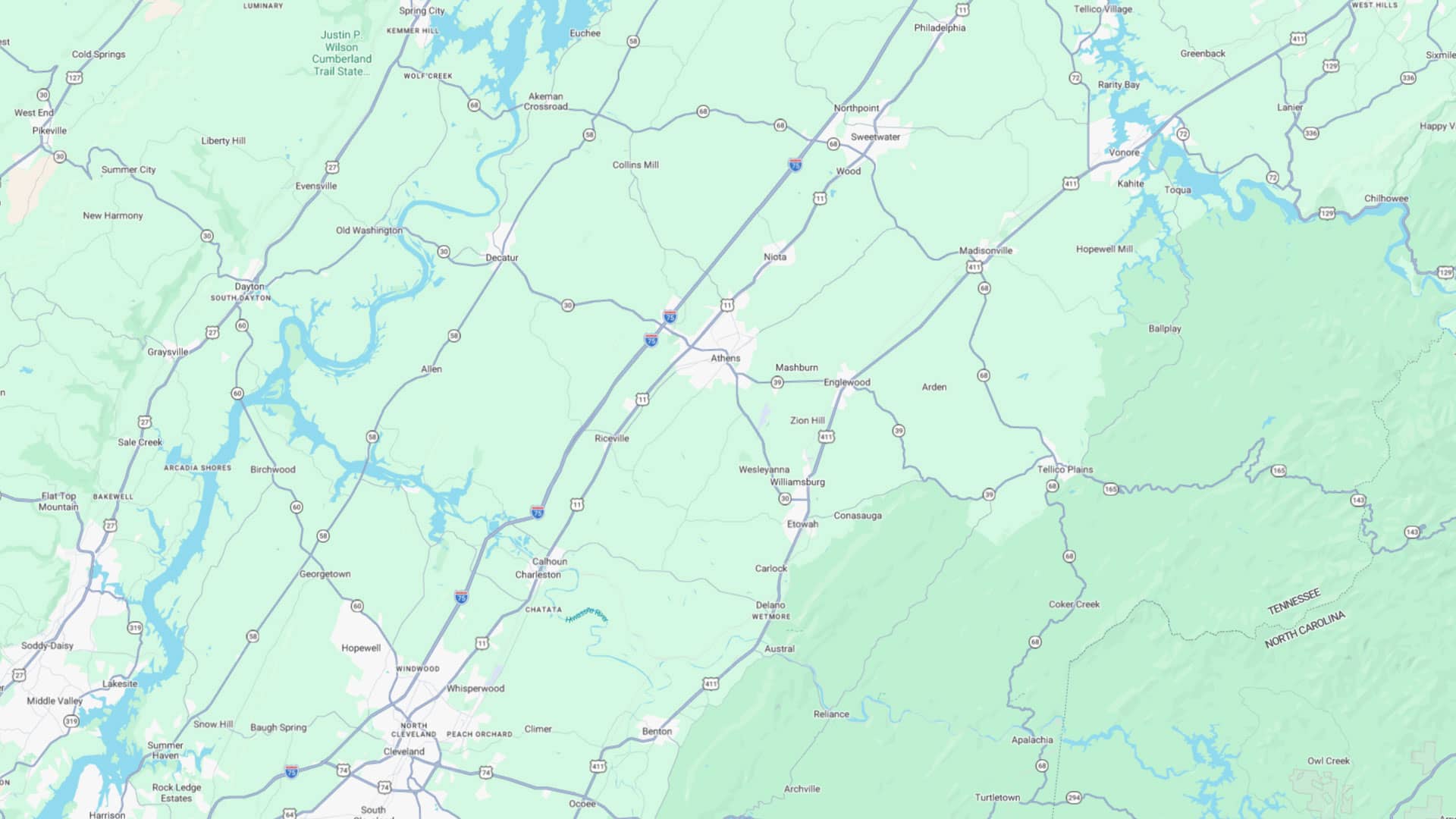
Communities We Serve
Tennessee Lawn Pros proudly provides professional lawn care services to homeowners and businesses in East Tennessee. We understand the unique needs of local landscapes and deliver reliable, high-quality maintenance every time. From routine care to seasonal services, we are committed to keeping lawns healthy, attractive, and well-maintained across every community we serve.